Many who rely on the Supplemental Nutrition Assistance Program (SNAP) can be in real trouble when they lose food in a natural disaster. When the power goes out for more than four hours, perishable foods become unsafe to eat and must be tossed.
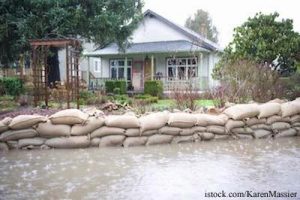 Food Poisoning Bulletin contacted the Food and Nutrition Service of the USDA and was told that anyone who lost food that was purchased with SNAP can request replacement coupons from their local human service office. Those requests are time-sensitive, so it’s important that recipients know about this program and act quickly. Foods that are eligible for SNAP benefits include breads, cereals, fruits, vegetables, meats, fish, poultry, dairy products, seeds for food and plants that produce food.
The USDA’s Food and Nutrition Service can also provide food for disaster relief. They give USDA foods to state agencies for distribution to shelters, directly to households, and through Disaster Supplemental Nutrition Assistance Program (D-SNAP) benefits. In addition, households that don’t normally qualify for SNAP may qualify for D-SNAP if they lose income as a result of a disaster, or have expenses used to protect, repair, or evacuate their homes. To find hotline numbers for your state, visit the SNAP USDA web site.