The Sierra Nevada Graziers raw cheese E. coli outbreak has ended with 18 sick in 10 states, according to the CDC. That is an increase of five more patients and one more state since the last update was issued in September 2026. The new state is New Mexico.
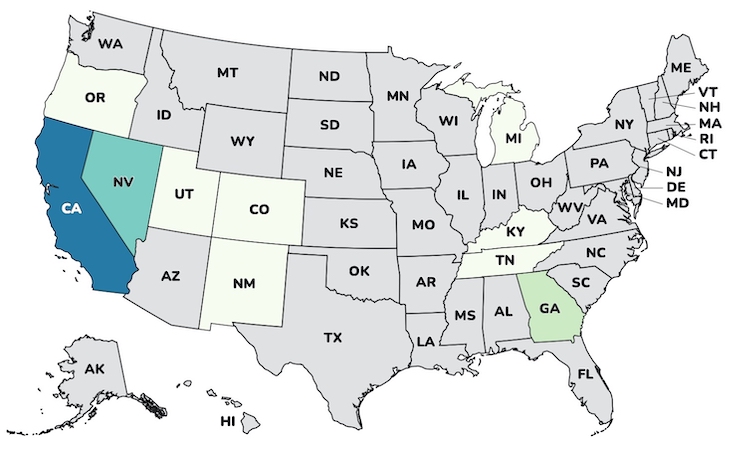
The case count by state is: California (6), Colorado (1), Georgia (2), Kentucky (1), Michigan (1), New Mexico (1), Nevada (3), Oregon (1), Tennessee (1), and Utah (1). The patient age range is from one to 58 years, with a median age of four. Illness onset dates range from July 7, 2026 to September 20, 2026. Nine patients in this outbreak have been hospitalized. Three of them have developed hemolytic uremic syndrome (HUS), a type of kidney failure that is common in E. coli patients who are five years old and younger.
Epidemiological data showed that Sierra Nevada Cheese Company Graziers raw milk cheese was contaminated with E. coli O26 bacteria and made people sick. All of the company’s cheeses were recalled.
Whole genome sequencing showed that bacteria from patient samples are closely related genetically, which means that people in this outbreak likely got sick from eating the same food. In addition, 100% of 15 patients who were interviewed reported eating Sierra Nevada Graziers raw milk cheese. That percentage is significantly higher than the 4.9% of people who ate unpasteurized cheese in the FoodNet Population Survey over the same time period.
Officials in California collected leftover Graziers raw milk cheese from a sick person’s home for testing. Whole genome sequencing showed that the cheese was contaminated with the same strain of E. coli O26 as the patients in this outbreak. In addition, the Michigan Department of Agriculture and Rural Development collected an open sample of the cheese from a consumers’ home. Testing by the Michigan Department of Health and Human Services showed that it tested positive for a different strain of E. coli.
If you purchased any of these cheeses, do not eat them. You can throw them away in a secure trash can, or you can take them back to the store where you bought them for a full refund.
If you ate these cheeses or fed them to other people, monitor yourself and them for the symptoms of an E. coli infection. All young children with this infection must be watched carefully for hemolytic uremic syndrome, which is a medical emergency. See a doctor as soon as possible.