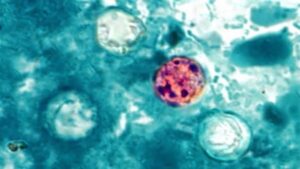
The Centers for Disease Control and Prevention (CDC) has issued a HAN advisory (Health Alert Network) for the cyclospora outbreaks in the United States. The advisory, which was issued on July 14, 2026, states that there are reports of 1,645 confirmed cases of the parasitic infection nationwide, and the agency is aware that there are more than 5,100 cases that require further analysis. This is much higher than the 249 cases that were reported nationwide at this time in 2025.
Of the 1,645 patients who gave information about their illness to public health officials, 141, or 9%, have been hospitalized. Because cyclosporiasis is usually under diagnosed and underreported, the multiplier for these outbreaks is 83.1. That means there could be at least 136,600 people sick with this infection in the United States.
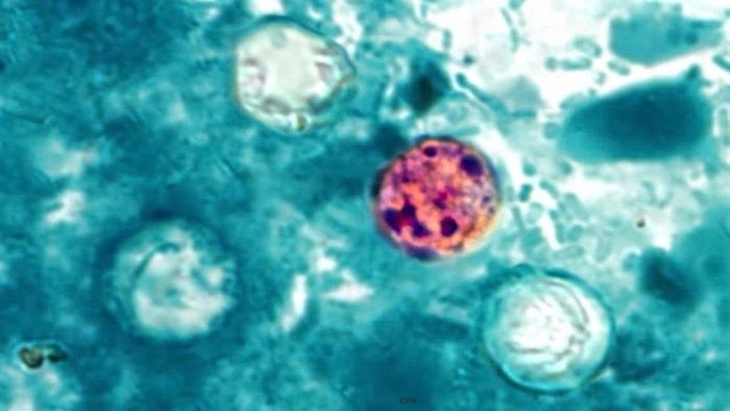
Cyclosporiasis is an illness caused by a microscopic parasite called Cyclospora cayetanensis. It is transmitted through the fecal-oral route, but since the oocysts need time outside the human body to become infectious, this illness is not passed person to person. Case counts typically rise during the spring and summer months. The season is from May 1 to August 31.
Symptoms of cyclosporiasis usually begin between two to 14 days after exposure. The most common symptom is unpredictable, explosive watery diarrhea, which can cause weight loss. Unless this infection is treated, symptoms can last longer than a month.
Healthcare workers should consider cyclosporiasis in patents that present with prolonged or relapsing watery diarrhea. A cyclospora laboratory test must be specifically requested, because routine exams will not detect the parasite. Cyclosporiasis is usually treated with trimethoprim-sulfamethoxazole (TMP-SMX) for immunocompetent adults and children over age 2 months.
Unfortunately, cyclospora cannot be killed by routine chemical disinfection; no EPA registered disinfectants are effective against the parasite. Providers should always wear gloves when examine these patients, and may want to consider using a gown, face mask, and eye protection.
Local and state health departments should be told about any cyclospora diagnosis to support national surveillance. And coordinate with the CDC and FDA on traceback investigations as needed.
Consumers should visit a doctor if they have prolonged or watery diarrhea, especially if it lasts more than a few days. You can reduce your risk by thoroughly washing fresh produce under clean running water. Commercially available produce rinses, vinegar, and other types of rinses do not eliminate the parasite. Freezing doesn’t kill it. The only thing that destroys this pathogen is heat.