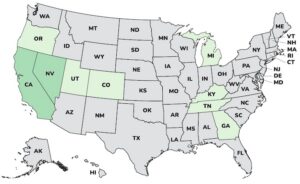
The Centers for Disease Control and Prevention (CDC) says they have counted 1,645 cyclospora cases in 34 states, with 141 hospitalized, and 5,100 probable cases so far in the summer of 2026. While this number is staggering, it is still far less than the sum of the individual state reports.
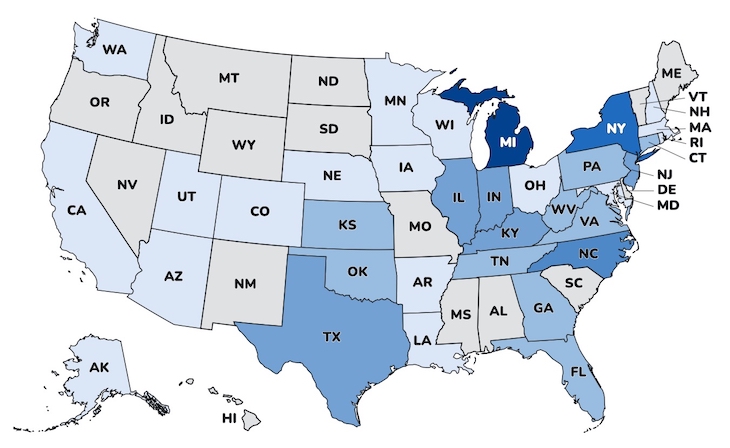
For instance, Michigan alone claims to have 4,312 cases with 102 hospitalized as of July 16, 2026. Ohio is reporting 1,409 cases, so the total from just those two states is 5,721. And that number is sure to climb. The difference is that the CDC reports all laboratory confirmed cases, while states may include confirmed and probable cases. It’s also true that cyclosporiasis is not reportable in three states, the District of Columbia, and New York City, so those numbers may be inaccurate. And there’s a six week lag time between illness onset and case reporting to the CDC.
The patient age range is from 2 to 95 years, with a median age of 44. The median illness onset date was June 22, 2026, with a range from May 1 to July 9, 2026. No deaths have been reported.
Tracing the Parasite
Tracing the source of this outbreak has been difficult. There are several reasons for that. First, there is usually a lag of two days up to two weeks from the time a person eats food that is contaminated with the parasite, until symptoms appear. It can be difficult for people to remember what they ate after that amount of time has passed. Patients often do not see a doctor with this infection, which is why the multiplier for cyclospora outbreaks is 83.1. Actual case counts are much larger than the official numbers.
Second, scientists cannot grow cyclospora oocysts in labs, so, unlike with bacteria such as Salmonella, subtyping it with whole sequencing (WGS) isn’t really possible. WGS is the gold standard for identifying pathogens. If it can’t be used, tracing a pathogen is very difficult. The genome of a parasite is much more complicated than a bacterium or virus, so the CDC is relying on partial subtyping.
Finally, there are probably several outbreaks caused by different cyclospora varieties, all connected to a complicated supply chain. Since the parasite’s vector is fresh produce, when an outbreak is recognized, the food responsible has usually be discarded. These illnesses may be linked to several different types of food produced by farms all over the country, or even the world.
How to Protect Yourself
The first indication of the type of food that may be responsible for this outbreak or outbreaks was when Taco Bell pulled fresh lettuce, cilantro, pico de Gallo, and guacamole from their menus in some of their restaurants. Those foods have been linked to cyclospora outbreaks in the past. And there is no indication that Taco Bell restaurants are the source of this outbreak.
So at this time we don’t know which food or foods are responsible. Every consumer has to make the decision what they are going to eat or not. If you or a member of your family are in a high risk group for severe complications from a foodborne illness, such as a pregnant women, children, the elderly, people with compromised immune systems, or those with chronic illnesses like diabetes, you may want to take extra precautions.
Whatever you decide, make sure that you thoroughly rinse all fresh produce before you eat it. Avoid pre packaged produce such as bagged salads and cut fruits and vegetables. Rinse each leaf of lettuce or herb separately. Scrub foods like avocados under running water before you peel them. And always wash your hands thoroughly with soap and water before cooking and before eating.
To be as safe as possible from cyclospora, only eat cooked foods; but even this is no guarantee. Choose greens like collards that are cooked before eating and avoid choices like butter lettuce. Watch out for cross-contamination; clean any area that has come into contact with fresh produce thoroughly. Use dried herbs and canned produce. Remember that freezing does not destroy this parasite, so frozen foods may not be safe. Heat is the only thing that kills the oocyst; it must be heated to 158°F.
And learn the symptoms of cyclosporiasis, which include unpredictable, explosive diarrhea, weight loss, and loss of appetite. Getting treatment early for this infection may reduce its length and severity, and keep you out of the hospital for dehydration.