Ten lots of Mill Stream Cold Smoked Salmon are being recalled because they may be contaminated with Clostridium botulinum bacteria, which can cause life-threatening illness or death. Consumers are told to not eat this product even if it doesn't look or smell spoiled; this pathogen does not affect the taste or texture of food. No illnesses have been reported to date in connection with this recall. The product's water phase salt (WPS) tested below 3.5%, which permits the growth of the anaerobic bacteria such as Clostridium botulinum. Laboratory certificates incorrectly reported the WPS levels. In addition, labeling instructions on the salmon state it must be kept refrigerated at or below 38°F and that the product may be frozen. But with a low WPS, any product packaged in oxygen-free … [Read more...]
MF Fishballs Recalled For Possible Botulism Contamination
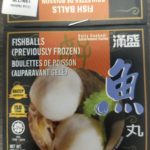
Mannarich Foods is recalling MF Fishballs from the marketplace in Canada because they may be contaminated with botulism toxin. There have been no reported illnesses associated with the consumption of these products. The recalled products were "previously frozen." They were distributed at the retail level in Ontario and Quebec. The recalled products are all MF Fishballs and other seafood products. All units sold up to and including October 21, 2019 are recalled. They include Fishballs (previously frozen) in 180 gram packages. The UPC number on the product is 0 68636 03040 2. Also recalled is Premium cuttle fish balls (previously frozen) in 180 gram packages with UPC number 0 68636 02030 4. Lobster flavored fishballs (previously frozen) in 180 gram packages with UPC number 0 68636 03430 1 … [Read more...]
Arla Apetina Marinated Feta & Olives Recalled For Possible Botulism
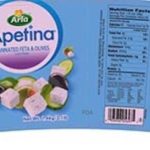
UNFI is voluntarily recalling Arla Apetina Marinated Feta & Olives in Oil, Pitted for possible Clostridium botulinum contamination. The product must be refrigerated, and some of the product distributed from 2 UNFI distribution centers may have been exposed to temperatures above refrigeration during storage and/or distribution. This may allow the growth of Clostridium botulinum bacteria. The bacteria, which grow under anaerobic conditions, can produce a toxin called botulinum toxin that can cause serious illness and death. Any canned or jarred foods must be carefully produced and maintained to reduce the risk of this hazard. A total of 75 cases of this product were distributed to 69 retail customers located in Greenwood, Indiana and Sarasota, Florida between January 1, 2019 and … [Read more...]
Roland Lumpfish Caviar Recalled For Possible Botulism Contamination

Roland Foods of New York, New York is recalling its red and black lumpfish caviar products because they may be contaminated with Clostridium botulinum, which products the botulism toxin. Consumers are warned not to eat the product. This toxin does not change the appearance, taste, aroma, or texture of food. No illnesses have been reported to date in connection with this issue. The Red Lumpfish Caviar and Black Lumpfish Caviar are packaged in glass jars. They were distributed nationwide to retailers and foodservice distributors across the country. The recalled products are Roland Black Caviar Whole Grain Lumpfish in four different size packages, and Roland Red Caviar Whole Grain Lumpfish, also sold in four different size packages. The UPC numbers for the recalled Black Caviar product … [Read more...]
Recall of AWERS Grained Salmon Caviar For Botulism Expanded
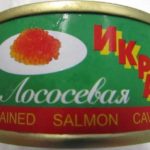
The recall of AWERS Grained Salmon Caviar (Sockeye Salmon Caviar) for possible Clostridium botulinum contamination that was posted on August 16, 2019 has been expanded to include more "best before" codes. No illnesses have been reported to date in connection with this issue. The recalled products is Grained Salmon Caviar sold in 95 gram tins. The codes that are recalled have these dates: "BEST BEFORE JUL 03 2020” “BEST BEFORE JUL 15 2020” “BEST BEFORE SEP 17 2020” “BEST BEFORE OCT 07 2020” “BEST BEFORE OCT 13 2020” These products could be contaminated with Clostridium botulinum, a bacteria that produces the botulism toxin that can be fatal if ingested. This toxin can be present in foods even though the product looks, smells, and tastes normal. Do not try even a … [Read more...]
Grained Salmon Caviar Recalled In Canada For Botulism
Kananaskistrade is recalling Grained Salmon Caviar from the m marketplace in Canada because it may permit the growth of Clostridium botulinum bacteria. This bacteria produces a toxin that can be deadly even in very tiny amounts. A product with the same name, but marketed by AWERS, was recalled in the U.S. last week. The recalled product is marked with Cyrillic characters only. The common name is Grained Salmon Caviar, sold in 95 gram tins. The UPC number on the product is 8 85202 00044 3, and the best before date marked on the tin is OCT 07 2020. This warning was updated on August 20, 2019 with more information: All units sold up to and including August 20, 2019 are recalled. The recall was triggered by Canadian Food Inspection Agency test results. The government is conducting a food … [Read more...]
AWERS Grained Salmon Caviar Recalled For Possible Botulism
AWERS Inc. of Bellevue, Washington is recalling Grained Salmon Caviar in 95 gram tins because it may be contaminated with botulinum toxin, which can cause life-threatening illness or death. Do not eat this product even if it does not look or smell spoiled. Botulinum toxin does not change the appearance, taste, or texture of food. No illnesses have been reported to date in connection with this issue. The recalled product is Grained Salmon Caviar, packed in 95 gram metal tins with Cyrillic lettering. The tin is green, with red and white writing with an "easy pull open lid." The best before date on the product is BEST BEFORE OCT 07 2020, which is printed on the bottom of the tin. The caviar was distributed in California, New York, Oregon, and Washington, and may have further … [Read more...]
Bottled Bar Clams Recalled For Possible Clostridium Botulinum
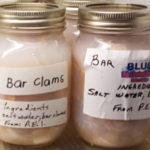
Out of the Blue Fish & Seafood Market, located at 1A The Square in Bayfield, Ontario, Canada, is recalling bottled bar clams because they may permit the growth of Clostridium botulinum bacteria. No illnesses or adverse reactions have been reported to date in connection with this recall. The recalled products are Out of the Blue Fish & Seafood Market bottled bar clams. All units sold from October 1, 2o18 up to and including February 28, 2019 are recalled. In addition, unbranded bottled bar clams are recalled. All units sold from October 1, 2018 up to and including February 28, 2019 are recalled. Neither product has a UPC number. Foods that are contaminated with this bacteria can become contaminated with the botulism toxin, which can cause severe illness and death. Symptoms of … [Read more...]
Boffo’s Rainbow Trout Recalled in Canada For Possible Botulism
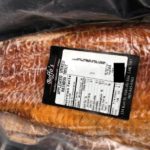
Boffo's brand Applewood Smoked Rainbow Trout is being recalled in Canada because the product may permit the growth of Clostridium botulinum bacteria. The product was sold in Ontario at the retail level. No illnesses have been reported to date in connection with this problem. The recalled product is Boffo''s Applewood Smoked Rainbow Trout in variable size containers. All products sold up to and including February 27, 2019 are recalled. There is no UPC number on the product package. The Clostridium botulinum bacteria produces spores that can survive the processing or canning process in low acid foods. The spores can start growing in an anaerobic environment, and will produce the toxin. Any food contaminated with this toxin will not look or smell spoiled, and the texture and taste will … [Read more...]
Potatoes and Food Poisoning Outbreaks: Botulism and Listeria Monocytogenes
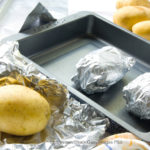
Potatoes aren't often thought of when people think about food poisoning. This root vegetable is, after all, always cooked before it's eaten, which would kill off any pathogenic bacteria. But this vegetable grows in soil and can be contaminated at any point along the supply chain. But there have been some outbreaks linked to potatoes. Clostridium botulinum outbreaks have been linked to baked potatoes that are wrapped in aluminum foil. The spores that produce this deadly toxin are found in the soil, and they can contaminate the spuds. The spores can sometimes survive the baking process. If the potatoes are baked while tightly wrapped in aluminum foil, that creates an anaerobic (oxygen-free) environment. And that creates the perfect conditions for botulism spores to germinate, grow, … [Read more...]