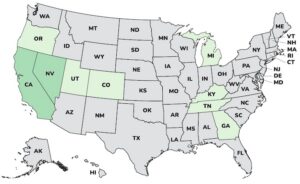
California updates the illnesses and deaths linked to wild mushrooms in that state. The last update, on January 20, 2026, stated that 39 people had been sickened by the mushrooms. At that time, no deaths were reported.
As of May 11, 2026, there are now 47 people who have been sickened by these mushrooms. Four people have died, and at least four people have required liver transplants. Eight cases have been reported in the last four weeks, in a time frame that is past the normal peak season. Usually, there are only five or fewer cases of mushroom poisoning reported each year in that state.
The patient age range is from 19 months to 84 years. There are individual cases and cases within families. The patients speak these languages: Spanish, Mam (indigenous Mayan language), Mixteco (indigenous language in Mexico), Mandarin Chinese, Ukrainian, Russian, and English. Most patients speak Spanish.
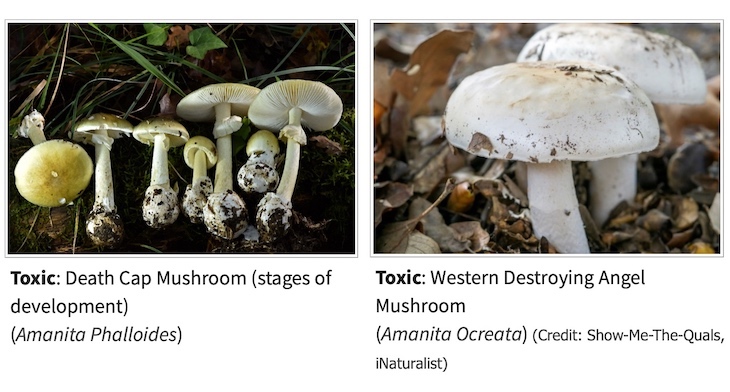
The Death Cap and Destroying Angel mushrooms have been collected in many different locations including city, county, and national park areas across northern California and the central coast regions. At first, the clusters were only reported in the Monterey and San Francisco Bay areas. Abnormal conditions such as continued rains are likely contributing to the robust resurgence of these poisonous mushrooms in late spring.
These mushrooms contain a compound called amatoxin. Amatoxins are quickly absorbed from the intestine and transported into the liver by OATP transporters. There, they start to inhibit RNA polymerase, which kills cells and starts to destroy the liver.
It takes about 24 hours before any signs or laboratory indicators of liver injury begin to appear. Symptoms of mushroom poisoning can include stomach pain, cramps, diarrhea, nausea, vomiting, a drop in blood pressure, fatigue, and confusion. Mushroom poisoning can cause liver damage, kidney damage, hallucinations and euphoria. seizures, and death.
Health care providers should consider mushroom poisoning when patients present with GI symptoms or elevation of liver enzymes. They should also ask patients about possible consumption of foraged mushrooms. The California Poison Control system can be contacted at 1-800-222-1222 for guidance and to report cases. Materials in multiple languages have been developed to support outreach and education.
If you choose to forage mushrooms, only eat those that you are absolutely sure are not poisonous. If you aren’t sure, or if you are a beginner, ask an expert to identify them. And know the warning signs of mushroom poisoning so you can get help quickly if necessary.