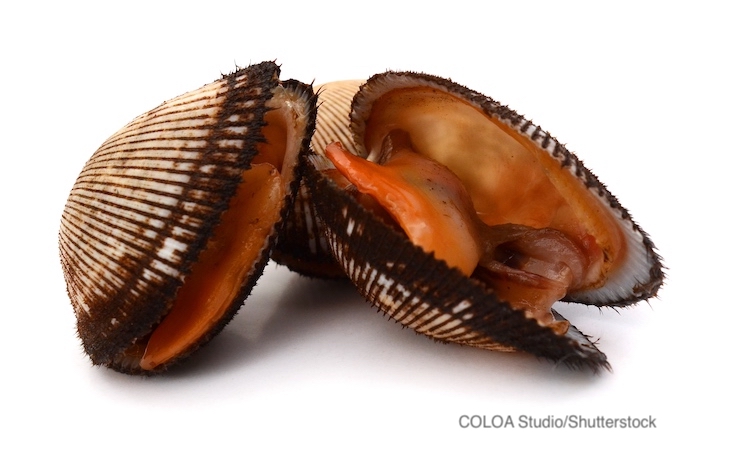
A Missouri woman has been indicted for allegedly illegally smuggling blood clams into the United States, according to the U.S. Attorney’s Office for the Eastern District of Arkansas. Blood clams, also known as Concha Negra, black clams, and black conch meat, with the scientific name Andorra tuberculosis, can be contaminated with pathogens such as hepatitis A.
The woman was indicted on July 8, 2026, on two counts of smuggling more than three dozen clams into the country on two different occasions. She entered a plea of not guilty and trial is scheduled for August 31, 2026.
The indictment alleges that after receiving notification from the Arkansas Department of Health in July 2026, the National Oceanic and Atmospheric Administration (NOAA) started an investigation into the woman’s supposed illegal possession and sale of the clams that were from El Salvador. A notice was sent to her about this problem.
The clams are red because they make hemoglobin, a protein that turns blood red, unlike other clams. These clams are usually eaten raw, which means there is no kill step to destroy pathogens before they are served.
The investigation revealed that she sold the clams on a social media platform at events in central Arkansas. In the United States, it’s illegal to import these clams from any country other than Mexico.
El Salvador is listed on the Interstate Certified Shellfish Shippers List, maintained by the FDA, which identifies shellfish dealers who are legally authorized to ship shellfish within the United States. Since these shellfish are filter feeders, they can ingest pathogens along with their food. Other countries may not have the same high water quality standards as the United States. Blood clams can carry hepatitis A, norovirus, parasites. They can also carry marine biotoxins such as paralytic shellfish poisoning (PSP), which is not destroyed by heat and can be life-threatening.