SEPTEMBER 9, 2026POSTSCOMMENTS

Home » HIMP

Food & Water Watch Opposes Poultry Slaughter Line Speeds
Consumer Advocates Call for Modernization of USDA Poultry Rule

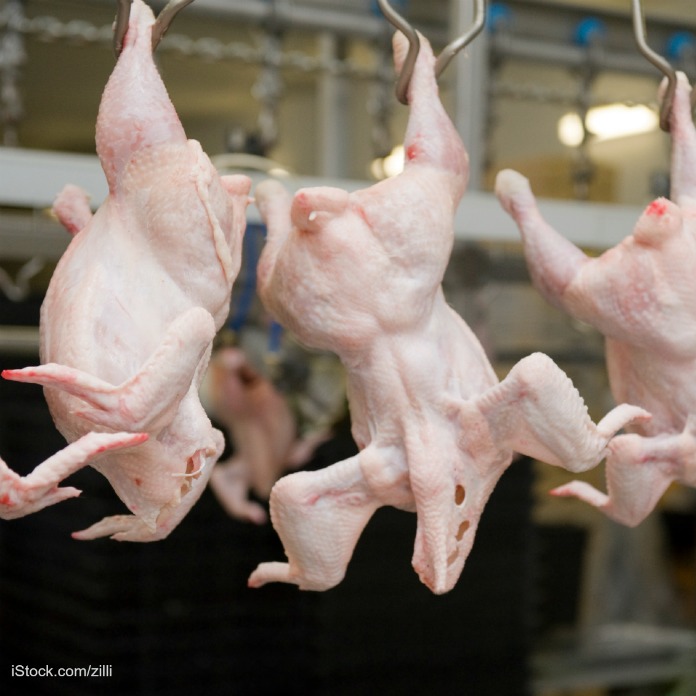
Food & Water Watch is opposing the National Chicken Council petition to increase poultry slaughter line speeds. The petition was filed on September 1, 2017 with the USDA’s Food Safety and Inspection Services. The line speed cap was set in the 2014 regulations creating the New Poultry Inspection System (NPIS). Food & Water Watch opposed … Read more

Food & Water Watch Says Privatized Poultry Inspection Jeopardizes Food Safety

Chicken Carcasses

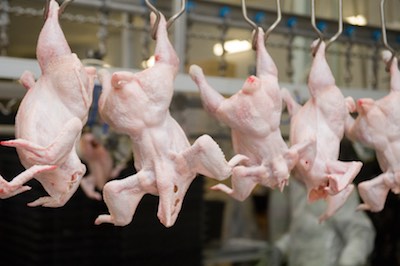
The advocacy organization Food & Water Watch has released a statement saying that privatized meat inspections jeopardize food safety. Food Poisoning Bulletin has been telling you about the government’s effort to turn inspections of meat plants over to corporations for years. This analysis, conducted on inspection documents and noncompliance reports obtained through the Freedom of … Read more

USDA Inspectors Say HIMP Compromises Food Safety

USDA

Three current and one retired USDA officials are criticizing the Hazard Analysis and Critical Control Point Inspection Models Project (HIMP) at hog processing facilities. HIMP increases line speeds and lets company employees do some of the inspection work formerly done by government employees. They say that food safety has been compromised as a result of … Read more

Congress Members Ask for More Answers on Poultry Inspection

Consumer Advocates Call for Modernization of USDA Poultry Rule

Fifteen members of Congress sent a letter last week to Secretary of Agriculture Tom Vilsack about the new poultry inspection system that has been criticized by consumer, food safety, and workplace safety advocates. They wrote they are “extremely disappointed” that the USDA did not address their concerns about the new rule about HIMP, or the … Read more

Consumers Advocates Try to Stop Filthy Chicken Rule

Chicken Carcasses

Representatives from consumer advocate organizations met with staff from the White House Office of Management and Budget (OMB) yesterday to express their opposition to the poultry privatization rule that is close to being approved. The rule removes government inspectors from poultry slaughter lines, increases line speeds, and places company employees in inspection positions. Wenonah Hauter, executive … Read more

USDA Sends HIMP Poultry Rule to OMB

Chicken Carcasses

The USDA has submitted a draft final version of the HAACP Based Models Project (HIMP), the Modernization of Poultry Slaughter Inspection Rule to the Office of Management and Budget today. That rule has been criticized from everyone from food safety advocates to worker’s unions. Food & Water Watch does not like this rule, which would … Read more

Problems with George’s Chicken HIMP Plant in Virginia

Chicken Carcasses

Food & Water Watch has released information about problems with a chicken processing plant that is part of the HACCP-based Inspection Models Project (HIMP) that the USDA is promoting as a modernization of poultry inspection. That corporation owns two plants; one has a full staff of USDA FSIS inspectors; the other is privatized, where most … Read more

FSIS Administrator Misinterpreted NIOSH Line-Speed Study

Chicken Carcasses

John Howard, director of the CDC’s National Institute for Occupational Safety and Health (NIOSH), sent a letter to Al Almanza, FSIS administrator last week, telling him that the USDA’s Food Safety Inspection Service misinterpreted findings of a NIOSH study evaluating worker safety vis a vis increased line speeds at poultry processing plants. That study looked … Read more

Members of Congress Ask USDA to Delay Salmonella Plan

Consumer Advocates Call for Modernization of USDA Poultry Rule

Several members of Congress sent a letter this month to the USDA, asking for a delay in the Salmonella Action Plan that Food Safety and Inspection Service (FSIS) is going to implement. The Plan’s first provision is the implementation of poultry slaughter modernization, known as HIMP. The letter states that “considering the paucity of data … Read more