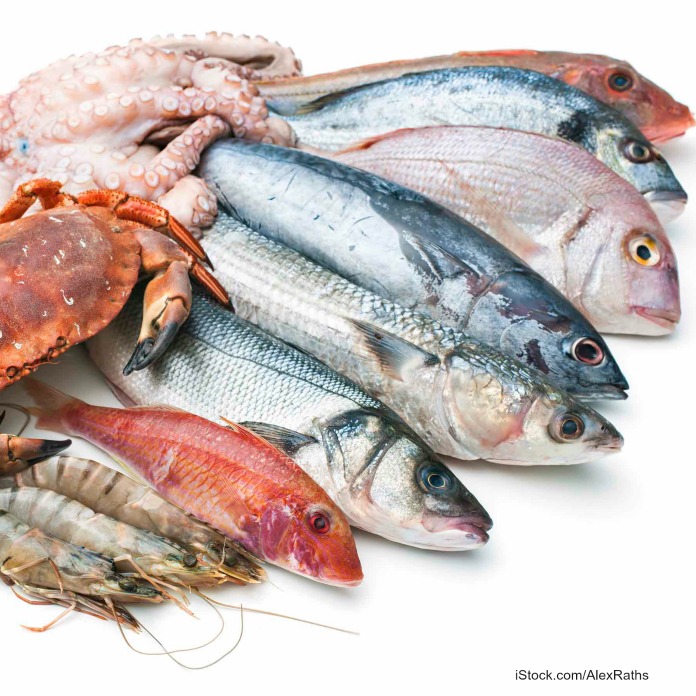
The risks of consuming toxins in fish and shellfish are highlighted in the CDC’s Morbidity and Mortality Weekly report for the week of June 18, 2026. The research covers reports over the last 23 years. During that time, there were 1,280 illnesses, 96 hospitalizations, and one death attributed to the toxins.
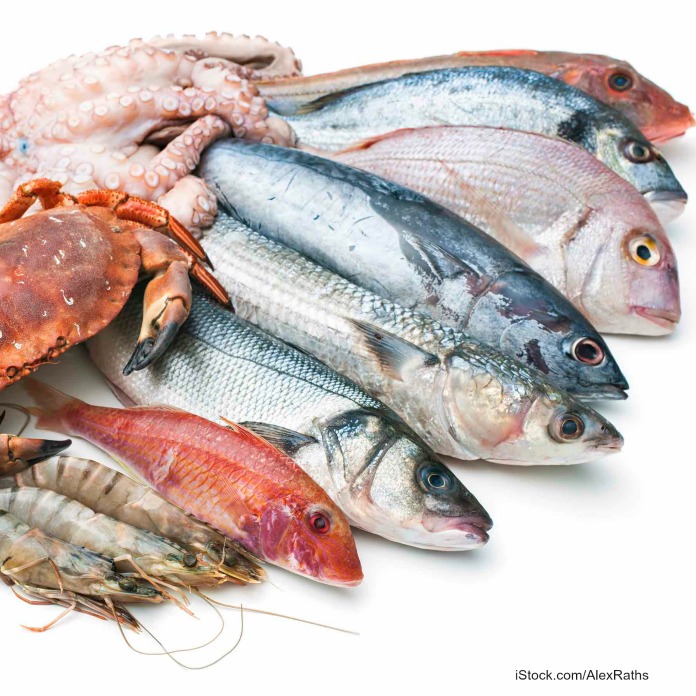
Data from the CDC’s Foodborne Disease Outbreak Surveillance System (FDOSS) from 2011 to 2023 was collected and analyzed. Foodborne illness outbreaks caused by marine toxins have been voluntarily reported to the FDOSS since 2009.
Marine toxins cause most of the outbreaks in these types of food every year. The report states, “Marine toxins that cause foodborne illness are tasteless, odorless, resistant to cooking or freezing, and can produce a complex variety of gastrointestinal, neurologic, and neuropsychologic symptoms. Among persons with severe illness resulting from ingestion of marine toxins, cardiovascular and respiratory manifestations can result in hospitalization and death.”
The two toxins that caused most of the cases are scombroid and ciguatoxin. Scombroid poisoning is from fish with elevated levels of histamines, which occurs when fish are stored under uncontrolled temperatures, or are made by bacteria with highly active enzyme histidine carboxylase. Histamines can triggered serious allergic reactions, especially in people with asthma.
The typical symptoms of scombroid fish poisoning are tingling or burning sensations in the mouth, facial swelling, rash, itchy skin and hives, nausea, vomiting, and diarrhea. Most people recover in a few hours without medical treatment, but some may become seriously ill.
Ciguatera is a foodborne illness caused by eating fish that are contaminated with naturally occurring ciguatoxins. The toxins come from microscopic algae that grow on coral reefs. The algae are eaten by small fish, which are eaten by larger fish. The toxins accumulate in high concentrations in large fish.
Early symptoms of ciguatera fish poisoning are similar to other symptoms of food poisoning, and include nausea, vomiting, diarrhea, and body aches. If left untreated, patients can experience numbness, joint pain, tingling in the hands, feet, or mouth, dizziness, itchiness, shortness of breath, rashes, vertigo, irregular heartbeat, and the reversal of hot and cold sensations. There is no cure for this toxin, although treatments are available. Some people suffer from health problems for years after ciguatera poisoning.
Of the 313 outbreak investigations for toxins in seafood, 70% came from seafood that was harvested in the United States. Ninety-five percent of the illnesses came from scombroid toxin or ciguatoxin. There were 192 outbreaks of scombroid toxin, and 189 outbreaks of ciguatoxin in that time frame.
The outbreaks were concentrated in states near the sea. Most of the scombroid toxin outbreaks were in sit-down restaurants and were linked to tuna. Florida had the greatest concentration of ciguatoxin outbreaks, linked to barracuda, grouper, and amberjack. Most of those outbreaks occurred in private homes.
Illnesses caused by shellfish included paralytic shellfish poisoning or neurotoxic shellfish poisoning. Florida reported most of those outbreaks. Mussels and sea snails were implicated in 31% of the outbreaks, and clams were implicated in 23%. Private homes were the source of 73% of these outbreaks.
Prevention measures to help stop these outbreaks include food safety practices, including always storing seafood below 40°F from catch to consumption. And recreational harvesters as well as professional harvesters need to pay attention to state issued warnings about the increase of these toxins in certain harvesting areas.
Citation: Hartley CM, Hoang ST, Roberts VA, Chard AN. Foodborne Disease Outbreaks Associated with Marine Toxins — Foodborne Disease Outbreak Surveillance System, United States, 2011–2023. MMWR Surveill Summ 2026; 75 (No. SS-3): 1–13. DOI: http://dx.doi.org/10.15585/mmwr.ss7503a1