JULY 30, 2026POSTSCOMMENTS

Home » Research » Page 4

Food Poisoning Increases Risk of Crohn’s Disease
Wisconsinites Sickened by Live It Up Super Greens Salmonella Contamination

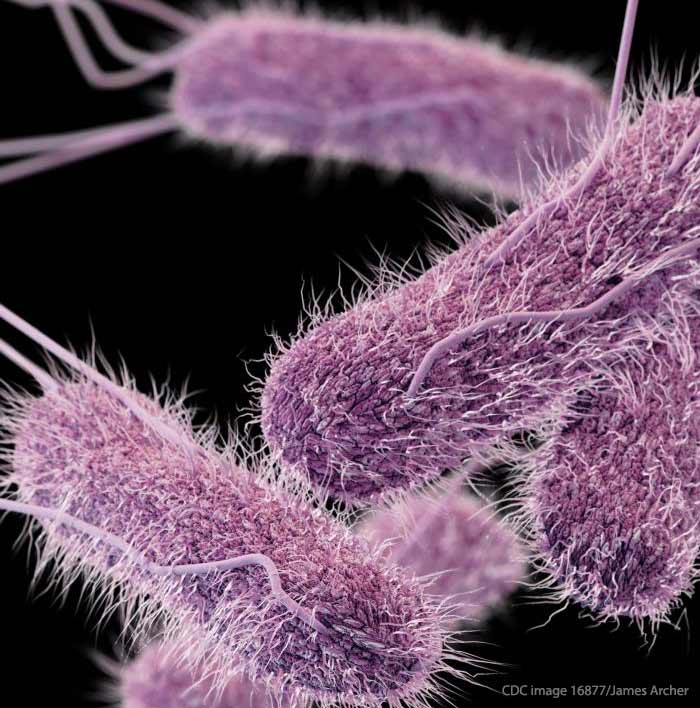
A new study conducted at McMaster University confirms that people who suffer from food poisoning by a particular bacteria may be at increased risk for developing Crohn’s Disease, also known as inflammatory bowel disease (IBD). In every Salmonella outbreak over the past four years, Food Poisoning Bulletin has stated that one of the long term … Read more


Antibiotic Resistant Bacteria Found in Florida Sewage

Sewage

According to the Center for Infectious Disease Research and Policy (CIDRAP) at the University of Minnesota, antibiotic resistant bacteria has been found in Florida sewage. The bacteria was discovered in samples taken from water and sediment after a 2014 sewer-line spill that released 500,000 gallons of untreated wastewater into a St. Petersburg neighborhood. This information was … Read more

People Work Sick, Even When They Should Stay Home

Which Restaurant Chains Like Applebees Have Had Outbreaks?

A poll of working adults conducted by National Public Radio (NPR), the Robert Wood Johnson Foundation, and Harvard T.H. Chan School of public health has found that many people work when they are sick, even when they should stay home. This is especially problematic in the food service industry, since sick food handlers can cause … Read more

Researchers Find Sensing Mechanism in Food Poisoning Bacteria

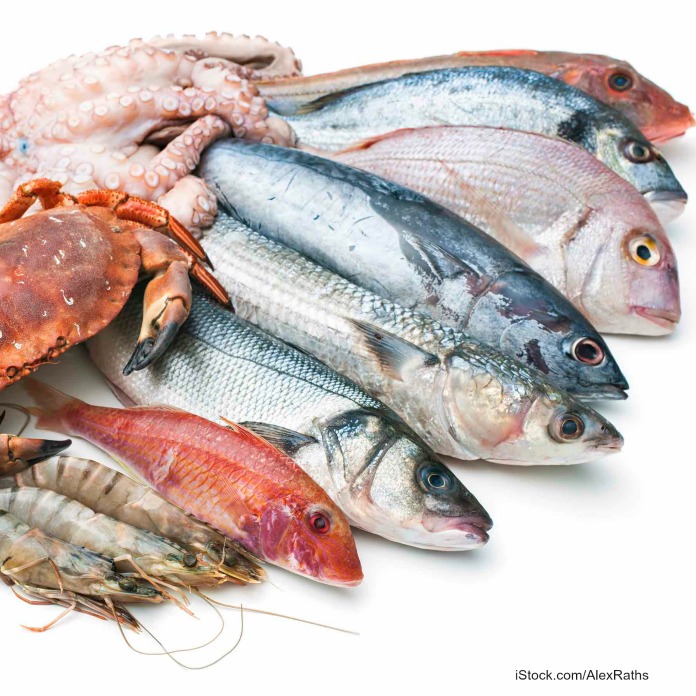
FDA Studies Seafood Consumption Role in Child Development

Researchers at UT Southwestern Medical Center have found a mechanism used by some types of bacteria that cause food poisoning. That mechanism is used to tell the bacteria when they are in the human gut, where they release the toxins that cause illness. Scientists studied Vibrio parahaemolyticus, a bacterium that grows in shellfish in saltwater … Read more

New Research Reduces Salmonella in Meat by 90%

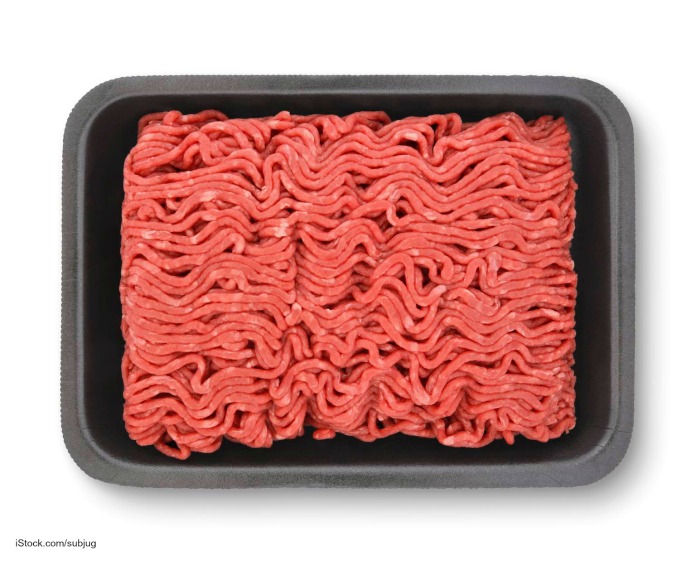
Salmonella in Ground Beef

New research conducted at the University of Nevada, Reno in the College of Agriculture, Biotechnology and Natural Resources has reduced Salmonella bacteria in meat products by 90%. Assistant Professor Amilton de Mello is using bacteriophages, which are natural predators of the microorganisms. Professor de Mello said, “we were able to reduce Salmonella by as much … Read more

Study Finds E. coli Can Survive High Cooking Temperatures

Salmonella in Ground Beef

Food Poisoning Bulletin has been telling you for years to cook ground meat, especially ground beef, to a minimum temperature of 160°F to kill any pathogenic bacteria that may be present in the meat. Now a new study conducted at the University of Alberta’s Department of Agricultural, Food & Nutritional Science Center has found that some … Read more

Soy May Be Natural Antimicrobial Agent

Research conducted by Professor Suresh Neethirajan at the University of Guelph in Canada has shown that soy isoflavones and peptides may inhibit the growth of pathogenic microbes that cause food poisoning. The study, published in Biochemistry and Biophysics Reports for the July 2016 issue, tested soy peptides against bacterial biofilms for antimicrobial activity. The researchers … Read more

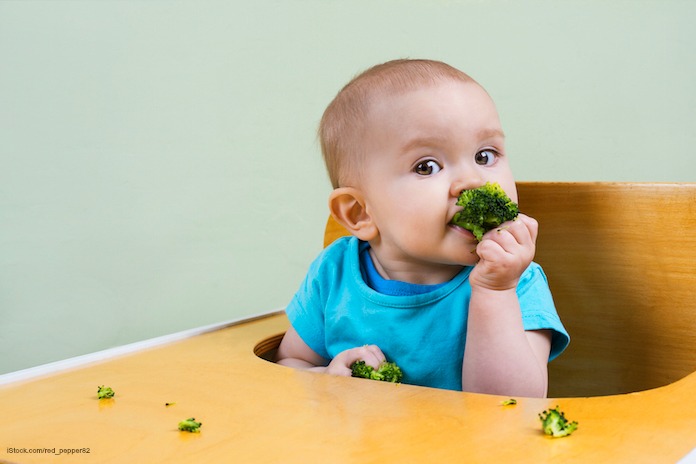
Study Finds WIC Improves Preschool Children’s Diet

Senator Schumer Concerned About Heavy Metals in Baby Food

A study conducted by the UCSF Benioff Children’s Hospital in Oakland, California has found that WIC (USDA Special Supplemental Nutrition Program for Women Infants and Children) improves preschool children’s diets. A change made in that program in 2009 provided more fruits, vegetables, whole grains, and low fat milk in the food voucher package. Diet quality … Read more

E. coli O157:H7 on Leafy Greens? It’s the Cows

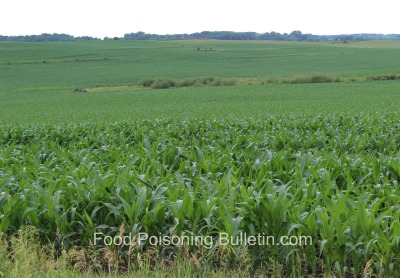
Farm Field

Most people are surprised when a food poisoning outbreak is linked to leafy greens. Fresh vegetables are not the foods we think of in relation to foodborne illness. But the fact remains that leafy greens are the most common vector for delivering pathogenic bacteria to humans. Bacteria get onto leafy greens and other produce in several … Read more

University of MN Identifies New Strain of Antibiotic Resistant Bacteria

Symptoms of Bird Flu in Humans and Domestic Pets

Dr. Tim Johnson of the University of Minnesota has identified a new strain of antibiotic resistant bacteria. This bacteria, known as Enterobacter cloacae, was reported in a hospital outbreak in Fargo, North Dakota. Whole genome sequencing revealed that 32 of the strains collected from patients in the Upper Midwest were clonal. The bacteria is spreading … Read more