JULY 31, 2026POSTSCOMMENTS

Home » Research » Page 5

Rapid Test for E. coli O157 Developed
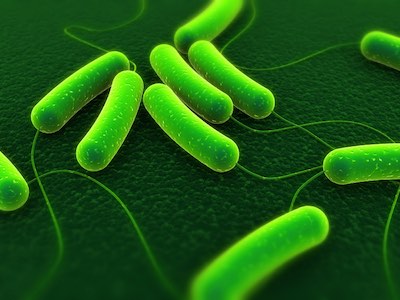
Scientists at Western University have developed a new rapid-test system to detect E. coli O157 bacteria. This new test will help prevent recalls and outbreaks, since it can be used to discover contamination before the food leaves the plant and is shipped. The collaboration that developed this test is between Dr. Michael Rieder at the … Read more
Use High Heat to Cook Meat? Rethink That Technique

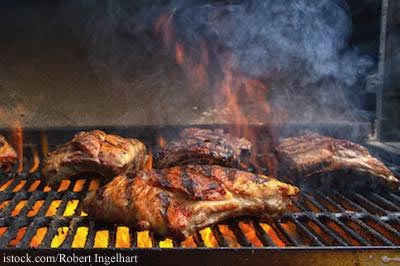
Meat on a Grill

A new study published in the journal Cancer has found that cooking beef at high temperatures may lead to an increased risk of developing kidney cancer. Carcinogenic compounds are created in the meat when grilled, barbecued, and pan-fried. The study was conducted at the University of Texas MD Anderson Cancer Center. Renal cell carcinoma affects … Read more

New Study Looks at Cost of Salmonella Illnesses

Salmonella Bacteria

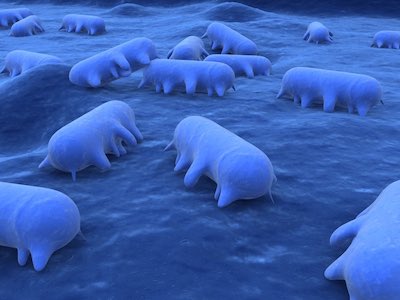
A new study published in Foodborne Pathogens and Disease looks at the cost of Salmonella outbreaks in the U.S. from 2000 to 2011. The study tried to quantify the burden of hospitalizations linked to Salmonella food poisoning, look at hospitalization characteristics among patients with salmonellosis, and examine the relationships between salmonellosis and cormobidities by outcome. … Read more

Study Finds Kitchen Utensils Can Spread Bacteria Between Foods

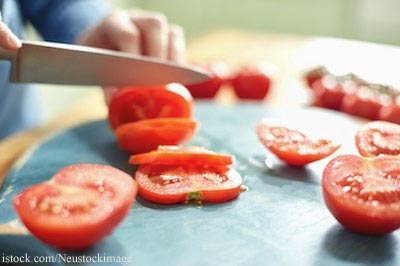
Cutting Tomatoes

Food safety advice for home cooks has always included certain rules. Always wash your hands before preparing foods and after handling raw meats, poultry, and eggs; keep perishable foods refrigerated, and wash all utensils well after using them. But a new study conducted at the University of Georgia has found that utensils should also be washed … Read more

Study Finds Listeria Grows in Caramel Apples with a Stick

Caramel-Apple

A study conducted at the University of Wisconsin-Madison and published in mBio has found that caramel apples can support the growth of Listeria monocytogenes bacteria. The huge 2014 outbreak linked to caramel apples was unexpected because apples have a pH too low for bacterial growth, and the available water in caramel is too low as … Read more

Scientists Learn How Listeria Grows on Smoked Salmon

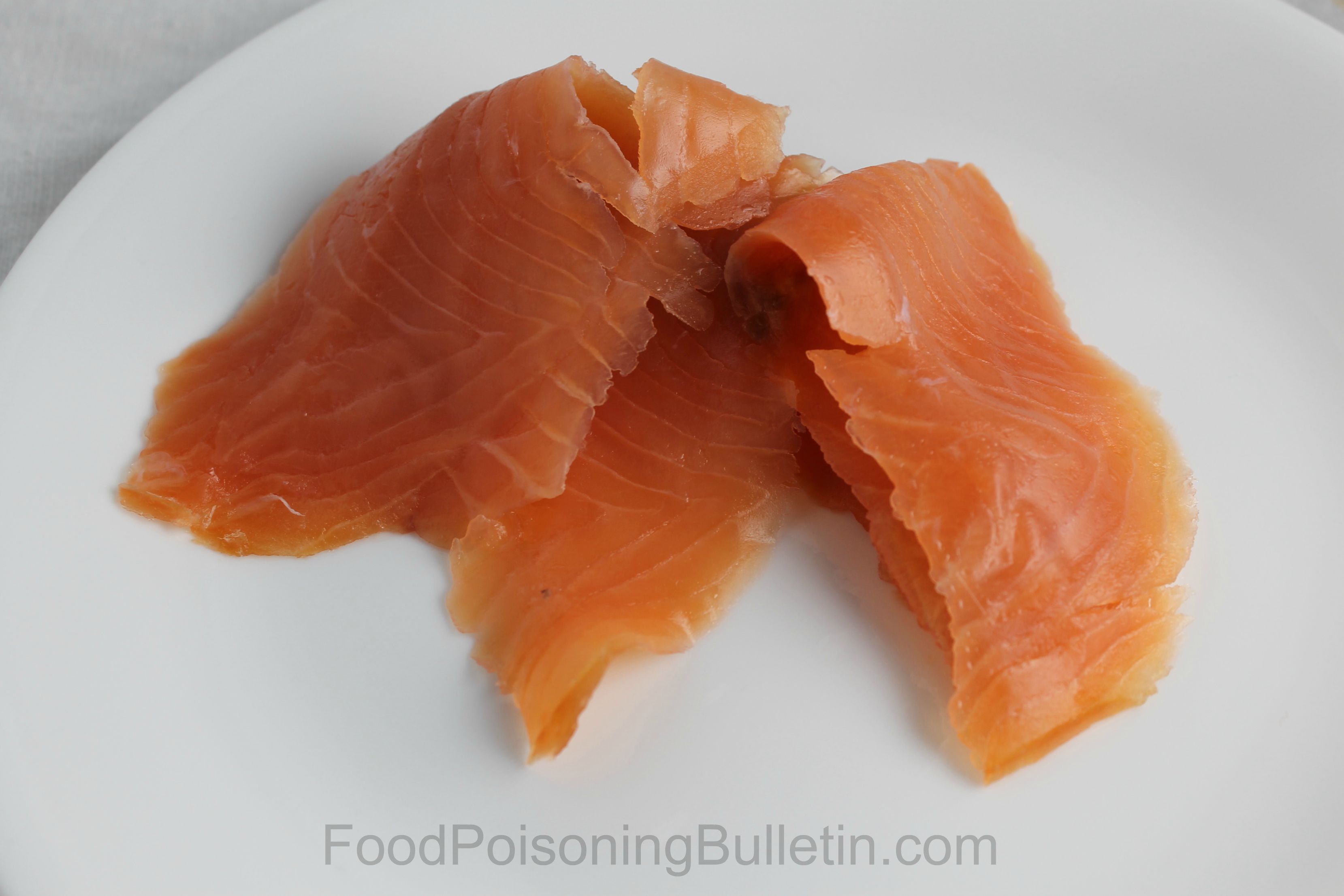
Smoked Salmon FPB

One of the biggest problems with the Listeria monocytogenes bacteria is that it grows at refrigerator temperatures. That means that refrigeration, one of the methods traditionally used to control bacterial growth on food, does not work for this pathogen. Now scientists are learning how Listeria grows in vacuum-packed smoked salmon. The study, published in the … Read more

Less Than Half of Consumers Wash Hands After Handling Eggs

A new study published in the Journal of Food Protection has found that only 48% of consumers wash their hands after handling raw eggs. Eggs can be contaminated with Salmonella bacteria, and that food-pathogen combination sickens thousands of Americans every year. Researchers were from RTI International, Tennessee State University, and Kansas State University. The study was … Read more

New Research Uses UVC Light on Fruits to Kill Pathogens

New research conducted at Washington State University has found that ultraviolet C (UVC) light can kill foodborne pathogens on the surface of some fruits. This technology may be a good alternative for organic fruit processors who don’t want to use chemicals on their products and must comply with the Food Safety Modernization Act (FSMA) standards … Read more

Study Links Meat to Klebsiella Pathogen

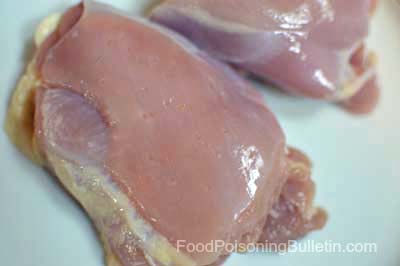
Chicken

A study in the journal Clinical Infectious Diseases links the Klebsiella pneumoniae pathogen to retail meat products for the first time. This bacteria can cause pneumonia when inhaled, and can cause urinary tract infections and infections in the lower biliary trace and in wounds. In the 2012 study, turkey, chicken, and pork meats were sampled … Read more

Harvesting 24 Hours After a Rain Enhances Food Safety

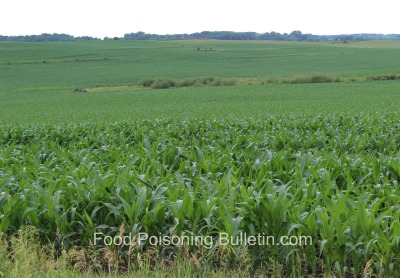
Farm Field

Research conducted at Cornell University has found that if produce farmers wait 24 hours to harvest their crops after a rain, the food they produce will be safer for people to eat. The USDA has proposed rules allowing farmers to apply “wait periods” after irrigation water, to let “potentially dangerous microbes die off”. Any water applied … Read more