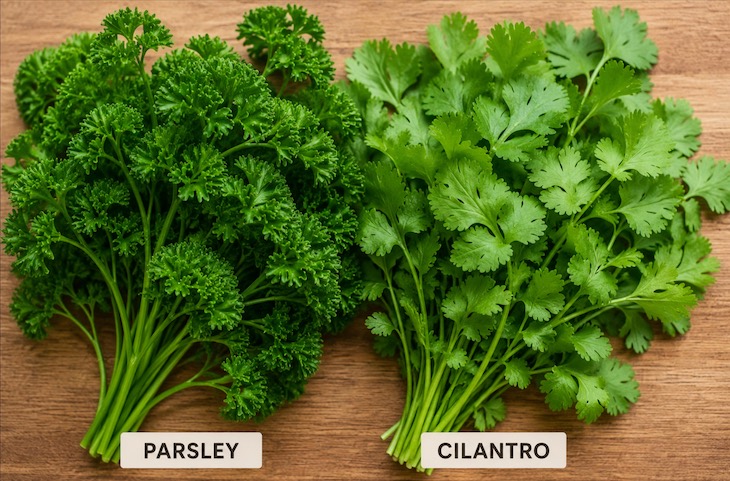
The North Carolina cyclospora outbreak is linked to parsley and cilantro, as well as lettuce, according to an update by the North Carolina Department of Agriculture and Consumer Services (NCDHHS). While parsley and cilantro have been mentioned as possible vectors in this huge outbreak, this is the first time they have been linked to illnesses.
As of July 20, 2026, the state has 561 cases and 16 hospitalizations. Case counts are updated weekly on Tuesdays. The case count exceeds the number of cases reported in 2024 and 2025, and the season for this parasite is not over.
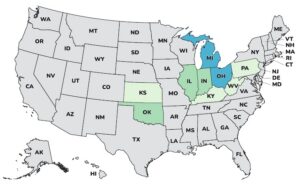
Officials say that the cases in their state do not appear to be associated with the outbreak in other states involving Taco Bell. They also stated that while these commonly reported foods can suggest a link, it does not prove with any certainty that they are the source of the infections.
The state health department and local partners are interviewing patients to try to identify possible sources of exposure. They are also conducting traceback, to find the original supplier or source.
Officials are urging restaurants and consumers to be aware of this outbreak, and to follow food safety rules. You should always thoroughly rinse all fresh fruits and vegetables before cutting, peeling, and eating them. Scrub produce with hard rinds with a clean brush under running water.
The issue is that cyclospora oocysts are very difficult to remove from produce. In fact, this parasite is so hardy that commercial cleaners and sanitizers will not destroy it. Treating produce properly with thorough cleaning can reduce your risk of contracting this infection, but won’t make these items 100% safe.
The only way to destroy cyclospora is to heat the food it’s contaminating to 158°F for several minutes. People who are concerned about this outbreak, especially those in high risk groups, may want to consider eating canned and cooked produce until the outbreak is solved or illnesses subside.