March 12, 2026

FDA Updates Info About Drug Resistant Rosabella Moringa Powder

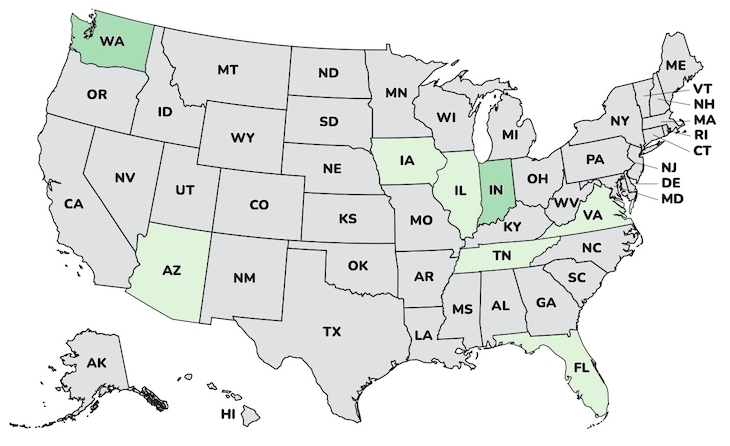
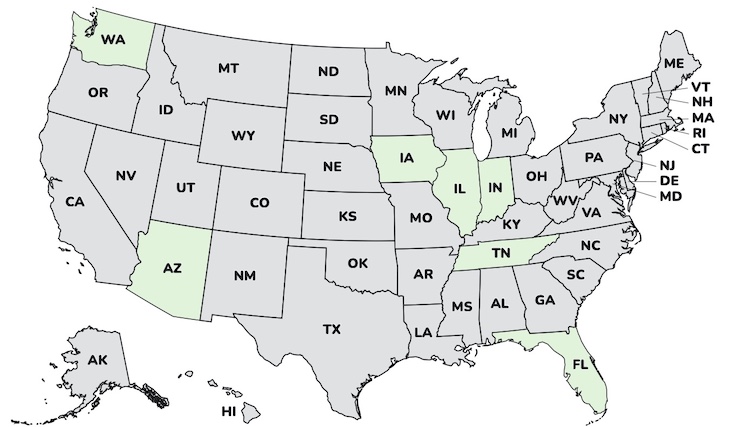
The FDA has updated its information about the distribution of the drug resistant Rosabella Moringa Powder capsules that has caused a Salmonella outbreak in the United States. This dietary supplement is contaminated with extensively drug-resistant bacteria, which means that the infection it causes can be very difficult to treat. The count by state is: Arizona (1), Florida (1), Iowa (1), Illinois (1), Indiana (1), Tennessee (1), and Washington (1).Three people have been hospitalized because they are so sick. Illness onset dates range from November 7, 2025 through January 8, 2026. The patient age range is from 61 to 78 years. The new information is that the FDA has discovered this product has been marketed outside of the United States in these countries: Algeria, Anguilla, … [Read more...]

Drug-Resistant Rosabella Moringa Powder Salmonella Outbreak

An extensively drug-resistant Salmonella Newport outbreak linked to Rosabella Moringa Powder has sickened at least seven people in seven states, according to the Centers for Disease Control and Prevention (CDC). Many lots of that product have been recalled. This outbreak is not related to the CDC's other investigation of moringa leaf powder product outbreaks. The case count by state is: Arizona (1), Florida (1), Iowa (1), Illinois (1), Indiana (1), Tennessee (1), and Washington (1).Three people have been hospitalized because they are so sick. Illness onset dates range from November 7, 2025 through January 8, 2026. The patient age range is from 61 to 78 years. Public health officials have interviewed patients about the products they ate the week before they got sick. Of the three … [Read more...]

CDC Health Advisory For Extensively Drug-Resistant Salmonella Typhi

A CDC health advisory for extensively drug-resistant Salmonella Typhi infections has been issued by the Health Alert Network (HAN). These types of infections are usually associated with international travel, but as of January 14, 2021, the government has received 71 reports of these infections in the United States; not all had left the country before getting sick. While most of those patients had traveled, nine, or 13% of the total, had not traveled to any country before they got sick. Salmonella typhi is transmitted through contaminated food and water and through person to person contact. In 2016, a large outbreak of extensively drug-resistant Salmonella typhi infections started in the Sindh province, Pakistan. Typhi strains are resistant to antibiotics that are usually … [Read more...]

Studies Find Raw Dog Food Major Source of Multidrug-Resistant Bacteria

New research that will be presented at this year's European Congress of Clinical Microbiology and Infectious Diseases has found that raw dog foods contain high levels of multidrug-resistant bacteria, including some that are resistant to last-line antibiotics. The study was conducted at the University of Porto in Portugal. The authors have concluded that potential transfer of these pathogens from dogs to humans is "an international public health risk." The authors include Dr. Ana Raquel Freitas and colleagues from the Faculty of Pharmacy at that university. These raw dogs foods are popular, and are offered as a "healthier" choice. One of the problems with this type of food is that dogs can be reservoirs of clinically-relevant ampicillin-resistant Enterococcus faecium, but … [Read more...]

Analysis Finds Antibiotic Resistant Bacteria on Supermarket Meat

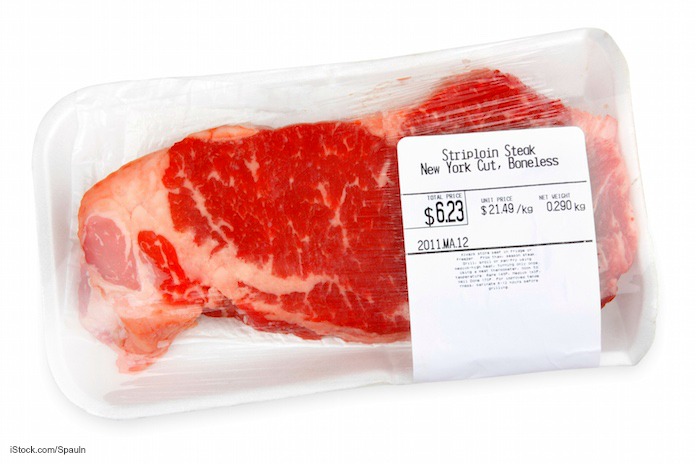
An analysis by the Environmental Working Group has found that antibiotic-resistant bacteria are common on meat for sale in American supermarkets. A government study published on February 5, 2012 without fanfare found that 81% of ground turkey, 69% of pork chops, 55% of ground beef, and 39% of chicken carried antibiotic-resistant bacteria. The study, published by the National Antimicrobial Resistance Monitoring System (NARMS), which is a joint project by the FDA, CDC and USDA, found that the meat samples collected in 2011 harbored "significant amounts" of superbug versions of Salmonella and Campylobacter. Those two bacteria cause 3.6 million cases of foodborne illness every year in the United States. In addition, 53% of raw chicken samples carried an antibiotic-resistant strain of E. … [Read more...]

Fix Antibiotics Food Finder Launched

Real Time Farms is launching a map to help consumers purchase meat and poultry from animals who have been raised without antibiotics. The Fix Antibiotics Food Finder lets you find retail locations, farms, restaurants, and farmers markets that carry antibiotic-free meat. Real Time Farms said that, "this campaign, as with so many things, comes down to people voting with their wallets because government is seen as moving too slowly." Consumers can add to the database if they have information that's not currently on the map. You can post photos from farms, food artisans, and farmers market, and add to and update vendor profiles.  Retailers, farmers, and artisans can add to the guide too. In fact, restaurants can upload their menu and use the web site's tools to show where the food comes … [Read more...]

Consumer Reports Tackles Antibiotics in Meat

We've reported many times in the past few months on the issue of antibiotic use in food animals. Organizations such as the World Health Organization, National Resources Defense Council, the Center for Science in the Public Interest, and Johns Hopkins Center for a Livable Future have been petitioning the FDA to stop the sub-therapeutic use of antibiotics in food animals and have been publishing studies on the development of antibiotic-resistant bacteria. On June 20, 2012, Consumer reports released the result of a poll that found 86 percent of consumers want to buy meat raised without antibiotics. Thirty-seven percent of those surveyed said they would pay a dollar or more extra per pound for antibiotic-free meat. The majority of respondents were "extremely or very concerned about issues … [Read more...]

FDA Appeals Ruling to Ban Antibiotics in Animal Feed

On May 21, 2012, FDA Commissioner Margaret Hamburg, Director of the Center for Veterinary Medicine Bernadette Dunham, and Secretary of Health and Human Services Kathleen Sebelius filed an appeal with the Second Circuit Court of appeals. They want to overturn Magistrate Judge Theodore H. Katz's ruling that forced the FDA to ban antibiotics in animal feed. The Judge found that the FDA must resume proceedings to withdraw approval for three antibiotics in animal feed that the agency halted in 1977. In December 2011, the FDA announced that it would not withdraw the antibiotics penicillin and tetracycline from animal feed, even though in 1977, the government said that there is a potential human health threat of widespread antibiotic use in livestock: development of bacteria who become … [Read more...]

Representatives Markey and Slaughter Ask FDA for Answers on Antibiotic Use in Ethanol

On May 11, 2012, Representatives Edward J. Markey (D-MA) and Louise M. Slaughter (D-NY: the only microbiologist in Congress) wrote a letter to the Food and Drug Administration (FDA) asking several questions about the FDA's stance on reducing the number of antibiotic-resistant bacteria linked to food animals. Food Poisoning Bulletin has talked to several experts about this topic, including Tyler Smith of Johns Hopkins Center for a Livable Future. Scientists and physicians are concerned about the connection between routine sub-therapeutic use of antibiotics in farm animals and the increasing threat of antibiotic-resistant bacteria. The letter the Congresspersons sent to the FDA asks about the link between ethanol byproducts used in animal feed and antibiotic-resistant bacteria. It was … [Read more...]

Study Finds Banned Antibiotics in Chicken Feather Meal

A study conducted by Arizona State University and Johns Hopkins Center for a Livable Future (CLF) found banned antibiotics in chicken feather meal, a byproduct made of ground poultry feathers that is added to cattle, chicken, pig, and fish feed. The drugs that were found included Prozac, Benadryl, and fluoroquinolones, a class of drugs that were banned for use in poultry in 2005 because Campylobacter were becoming resistant to those drugs. Fluoroquinolones are important because they are very effective when used to fight infections caused by bacteria that have developed resistance to other antibiotics. The study authors state that antibiotics are "introduced into the feed and water of industrially raised poultry, primarily to make them grow faster, rather than to treat disease." All … [Read more...]

Report Your Food Poisoning Case

Error: Contact form not found.

×
×

Home About Site Map Contact Us Sponsored by Pritzker Hageman, P.A., a Minneapolis, MN law firm that helps food poisoning victims nationally.