Four years ago, the Institute of Medicine asked the FDA to set limits on sodium levels allowed in processed food. The FDA has still not acted on those recommendations. Excess sodium is linked to stroke, heart attack, and other health problems. The Center for Science in the Public Interest (CSPI) states that “if Americans had cut their … Read more
A study conducted by the Canadian Food Inspection Agency found that some high carbohydrate foods did not have acrylamide levels at levels that “would be considered unsafe for consumption.” The agency tested 897 high carb food samples from Canadian retail stores, including dried fruits and vegetables, crackers, condiments, soup powder, taco seasonings, molasses, syrups, adult … Read more
A new study published in the Annals of Internal Medicine questions the information the public has been told about a link between saturated fat intake and heart disease risk. The study, called “Association of Dietary, Circulating, and Supplement Fatty Acids with Coronary Risk” is a meta analysis and review of studies conducted over the years … Read more
The Centers for Disease Control and Prevention (CDC) has sent out a press release stating that obesity prevalence for children aged 2 to 5 years has declined from 14% in 2003-2004 to just over 8% in 2011-2012. That is a decline of 43% based on the National health and Nutrition Examination Survey (NHANES) data. Dr. … Read more
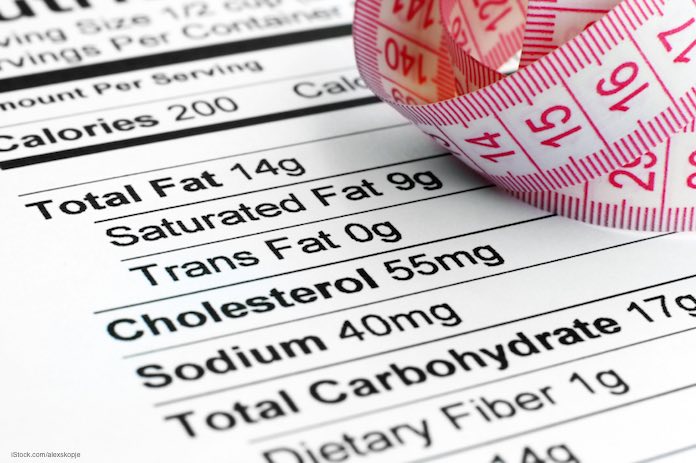
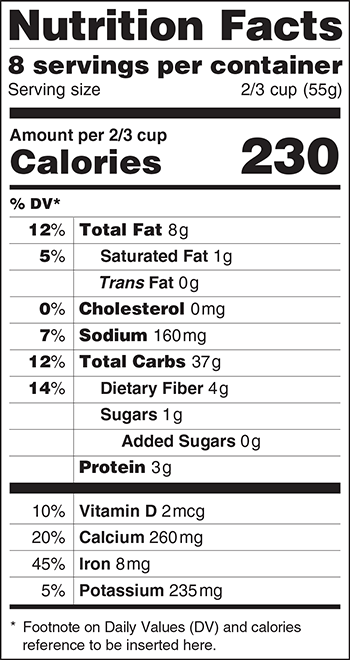
The FDA is changing nutrition labels put on all food packages. The box is going to have new design and new content. Michael Landa, director of FDA’s Center for Food Safety and Applied Nutrition said, “Obesity, hearty disease and other chronic diseases are leading public health problems. The proposed new label is intended to bring … Read more
New research published in the journal Proceedings of the National Academy of Sciences has found that grilled meats, which are high in compounds called advanced glycation end products (AGEs), may be a risk factor for developing Alzheimer’s and diabetes. When meats and other protein and fat-rich foods are cooked at high temperatures, these compounds form. … Read more
The FDA just published a new interim rule about infant formula. It sets standards for manufacturers to ensure that they produce safe formula that supports healthy growth. The rule, along with two draft guidance documents for industry, was published on February 6, 2014. Since 25% of all infants are never breast fed, and by three … Read more
The health craze for consuming fish oil, which is rich in omega-3 fatty acids, is wiping out the whale shark, a rare species that is vulnerable to extinction. The sharks eat plankton and grow up to 40 feet long. These fish are the biggest fish and shark in the world and are very gentle, and … Read more
The Centers for Disease Control and Prevention (CDC) wants restaurants to lower the sodium content of the foods they offer. The agency just issued a report called “From Menu to Mouth: Opportunities for Sodium Reduction in Restaurants”, which was published in CDC’s journal, Preventing Chronic Disease. Americans eat out, either at fast food or dine-in … Read more
The United States ranks 21 in the world in Oxfam’s ranking of the world’s food systems. One hundred twenty-five countries were judged according to food quality, abundance, affordability, and the eating habits of its citizens. Obesity and high diabetes rates were two of the issues that lowered the U.S. score. We rank behind 20 European … Read more