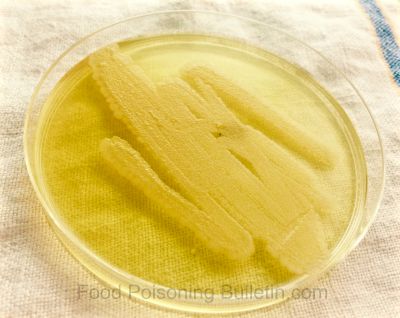
A new study conducted by the Department of Food Science and Technology at the University of Georgia has found that antimicrobial packaging can make food safer. Scientists looked at the effectiveness of antimicrobial packaging structures in ready-to-eat (RTE) meat products.
 They inoculated cooked ham with Listeria monocytogenes, then packaged it in antimicrobial packaging. The samples were stored at 4 degrees, 10 degrees, and 22 degrees Centigrade, then tested for aerobic bacteria (bacteria that need oxygen to live and reproduce), Entereobacteriaceae, and Listeria monocytogenes two times over four weeks. They found that packaging with an oxygen scavenger or a carbon dioxide generator was effective at reducing bacterial growth, and that packaging with an allyl isothiocyanate (AIT) generator was less effective.
The packaging modifies the air inside the package, called “headspace”, to make it unfriendly to bacteria. The study concentrated on Listeria monocytogenes because that bacteria has caused quite a few outbreaks in ready-to-eat foods. In fact, it’s illegal to sell ready-to-eat foods contaminated with Listeria in the United States. More than 20% of food recalls in the last nine years were triggered by the presence of L. monocytogenes bacteria.

Improvements in food packaging design are always needed to keep our food safe from new and existing bacteria that can contaminate our food. Great work!