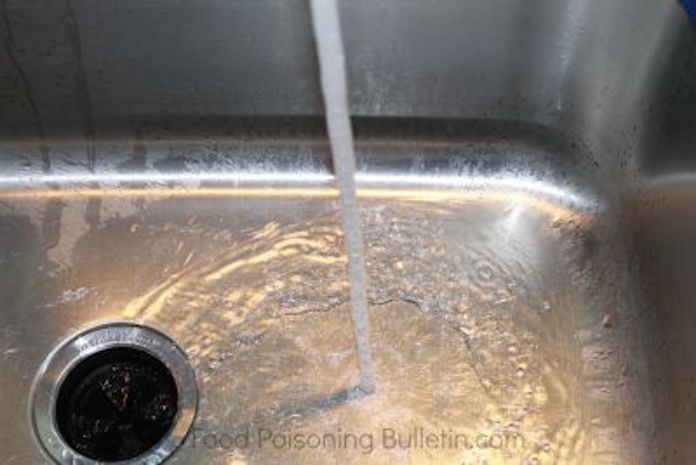
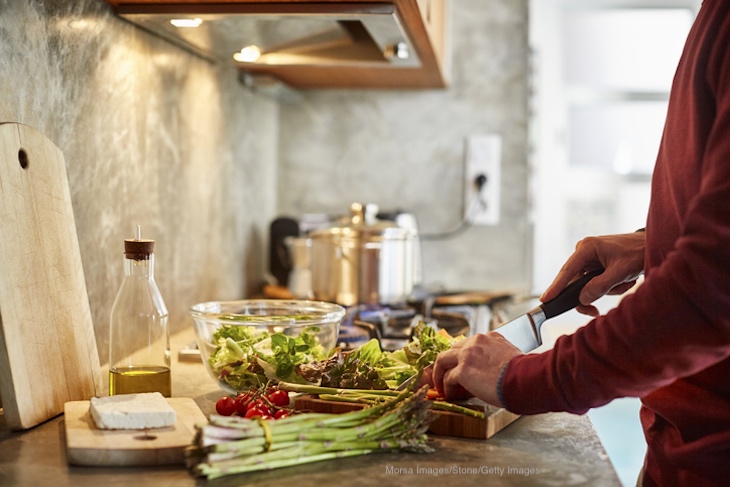
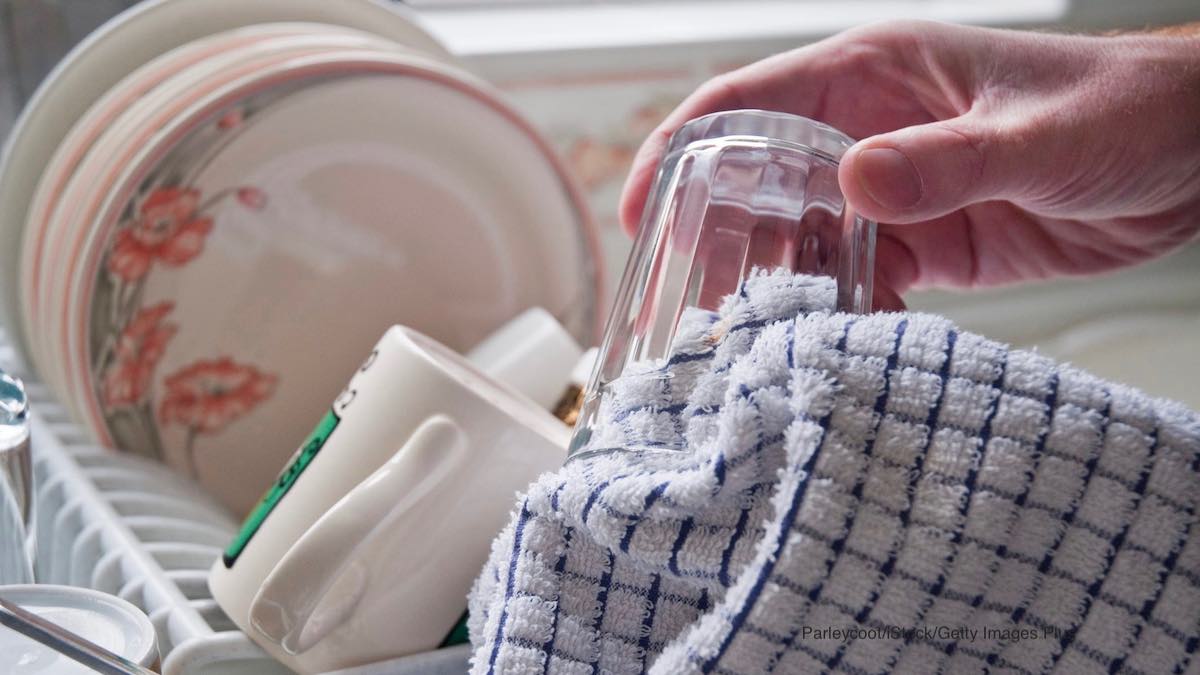
Your kitchen sink is an important part of food safety and preventing foodborne illness, according to the USDA. Think about everything you use your sink for: rinsing produce, cleaning pots, pans, plates, cups, and utensils, and discarding meat and produce scraps. All of those things can carry pathogenic bacteria. The USDA recently completed a study … Read more
A USDA study on consumer food preparation behavior highlights the risks of not following food safety rules. The five year study looked at how consumers prepare meals in light of the risks of food poisoning. The study was produced by the USDA’s Food Safety and Inspection Service (FSIS) as part of their efforts to educate … Read more
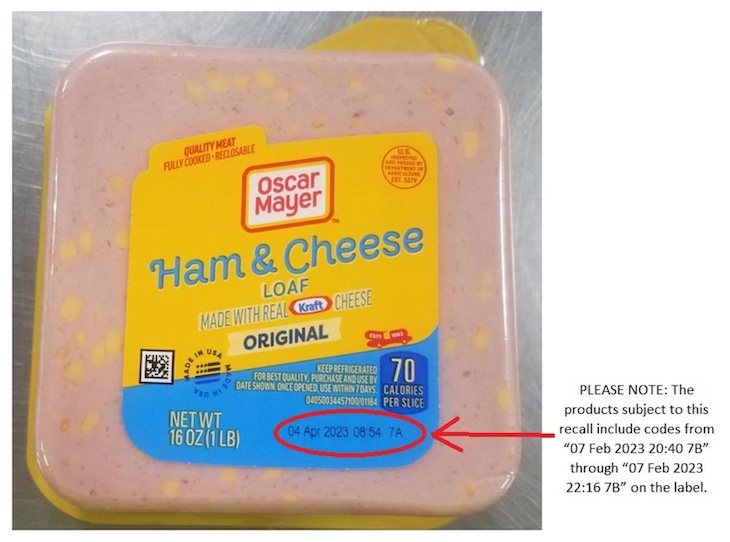
Oscar Mayer Ham & Cheese Loaf is being recalled for potential cross-contamination in the plant from possibly under-processed products. No confirmed reports of illness have been reported to date in connection with the consumption of this product. The recalling firm is Kraft Heinz Foods Company of Kirksville, Missouri. The ready-to-eat ham and cheese loaf products … Read more
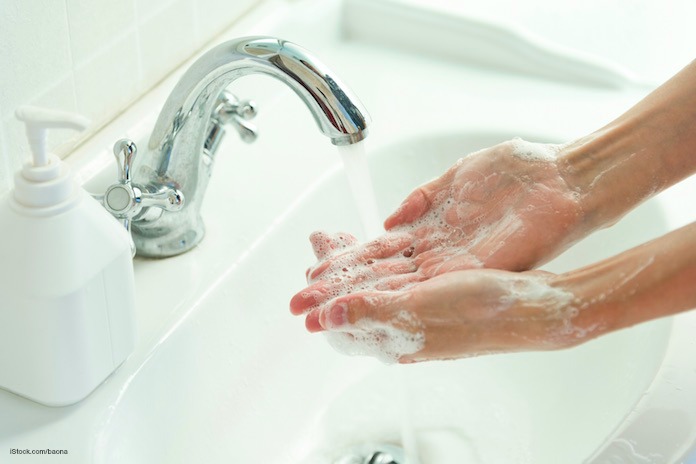
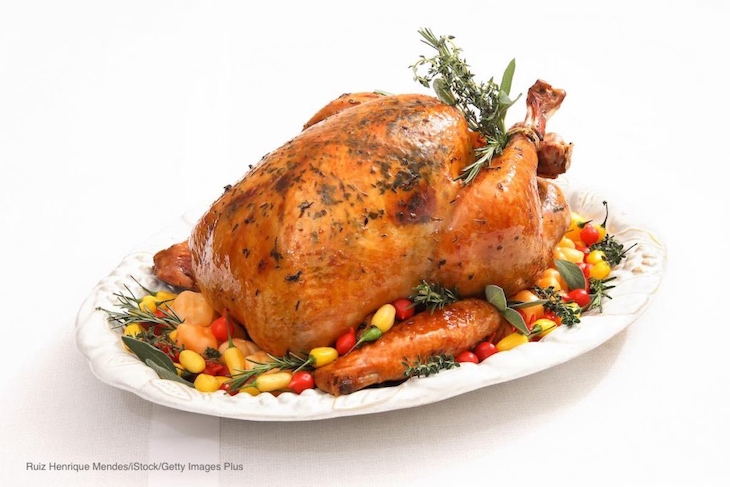
Thanksgiving food safety tips from the USDA will help you keep your family and friends safe as you celebrate the holiday this year. Follow the basic four steps to food safety – clean, separate, cook, and chill. But there are other tips you need to keep in mind. Handwashing is the first step to avoiding … Read more
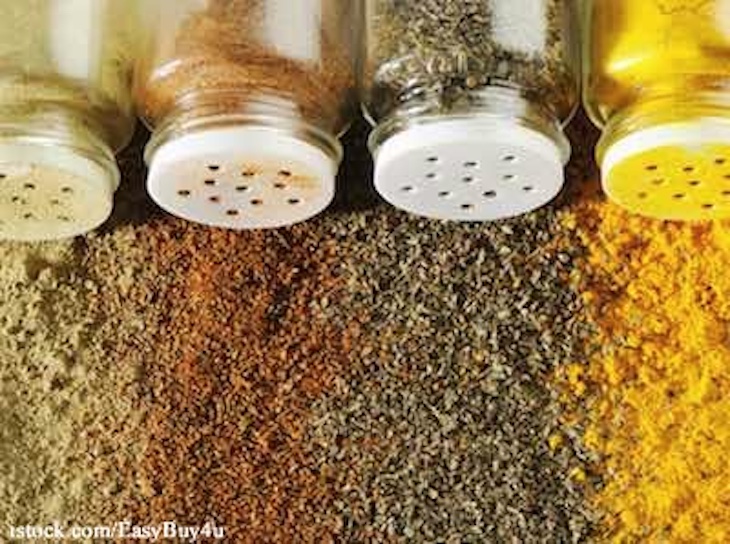
We often talk about how to protect yourself against food poisoning in the kitchen. You know about preventing cross-contamination, and using a food thermometer, and washing your hands and utensils. But did you know that spice containers can be contaminated with pathogens? A study conducted at Rutgers and published in the Journal of Food Protection … Read more
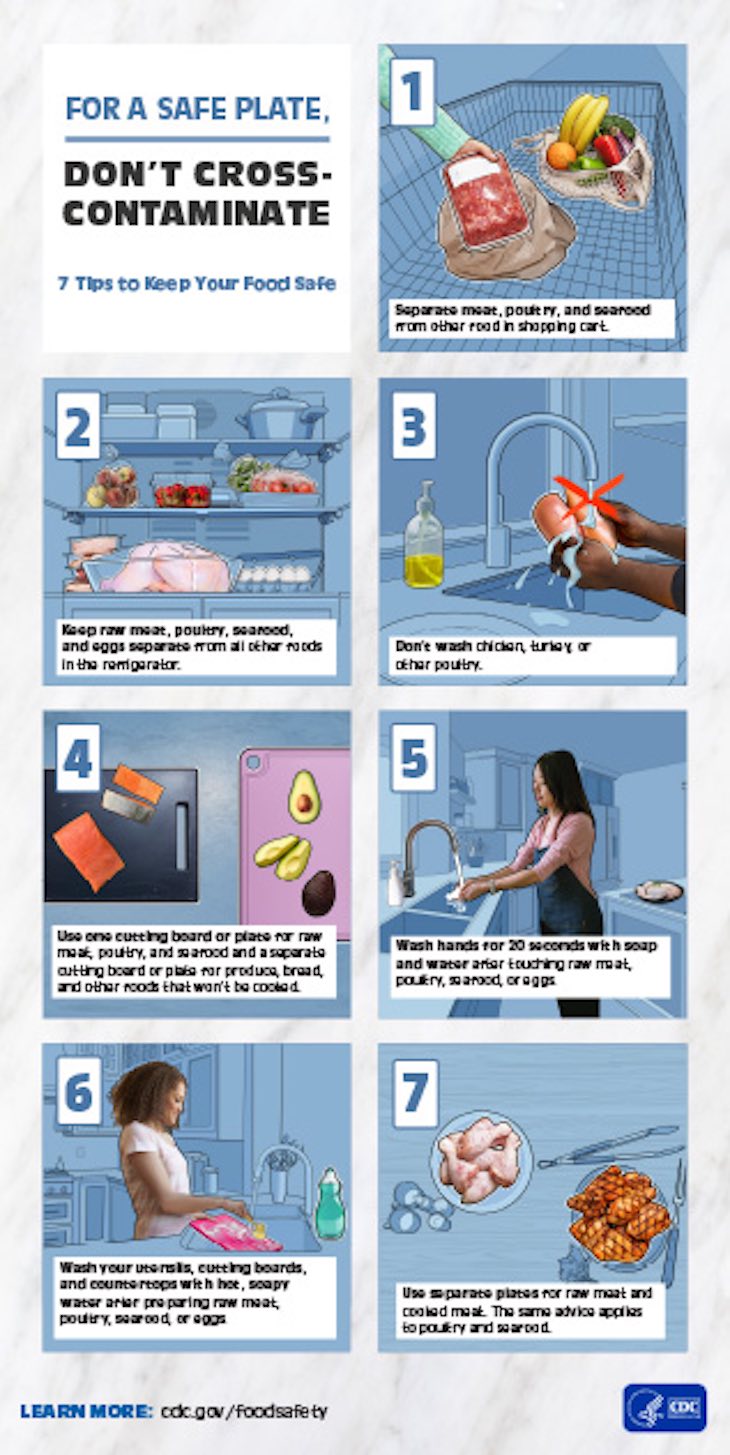
September is Food Safety Education Month. And it’s a good time to learn about how to stay safe in the kitchen. First up, learn how cross-contamination can make you sick and how to avoid it with tips from FoodSsfety.gov. Cross-contamination occurs when raw foods such as meats, poultry, seafood, and shell eggs, or juices or … Read more
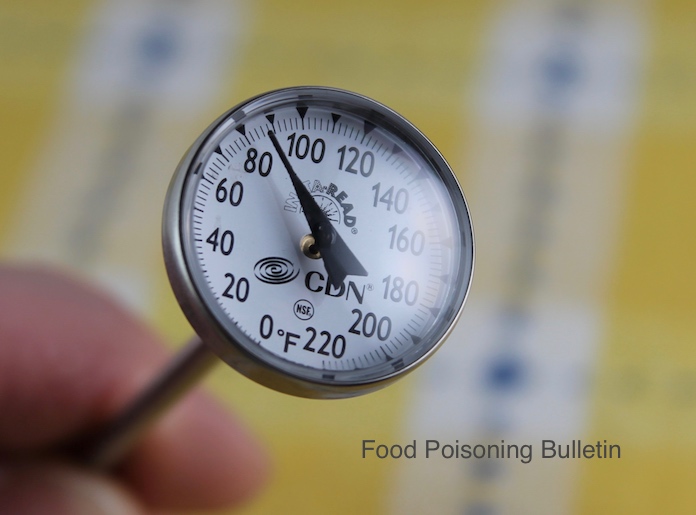
The USDA is reminding consumers to wash hands and use a food thermometer this summer to avoid foodborne illness. These rules apply even when you are camping, grilling outdoors, or having a picnic. The USDA has observed, in their test kitchens, that consumers are skipping basic food safety practices, which increases the risk of suffering … Read more
We talk a lot about cross-contamination here at Food Poisoning Bulletin. Cross-contamination is simply transfer of pathogens from one food to another, or to a surface. It is responsible for many cases of food poisoning caused by pathogens such as E. coli and Salmonella every year in the United States. So what is cross contamination … Read more
A Salmonella Enteritidis outbreak in Canada has sickened at least 63 people in six provinces, but public health officials have not identified a source of the pathogen. Officials are sharing this information to inform consumers how to avoid Salmonella infections. There is another Salmonella outbreak in that country that has sickened more than 500 people. … Read more
Tea towels, or kitchen towels, can cause cross-contamination in the kitchen, leading to food poisoning, according to a study posted in ASN Microbe 2018. Cross-contamination is when bacteria are spread from one source to food that was not previously contaminated. The study was conducted at the University of Mauritius. The study’s authors collected 100 kitchen … Read more